|
The Welney WebsiteThe Pubs of Welney - Past and Presentpage created 1st May 2010; last updated Sunday, 01 February 2015 |
|
|
|
||||||||||||||||||||||||||||||||||||||||||||||||||||||||||||||||||||||||||||||||||||||||||||||||||||
|
|
IntroductionThe earliest drinking establishments in England were alehouses, serving only drink; and taverns both drink and food.From the middle of the 16th century, premises where alcoholic drinks were sold had to be licenced by magistrates. New classifications were introduced which defined the type of business. Beer houses could only sell beer (& ale and cider?); public houses could also sell wines and spirits; inns additionally provided food and lodging (and stabling if it was a coaching inn); hotels likewise but usually with better accomodation. In the Fens in the mid 17thC the new drainage authority, the Bedford Level Corporation (BLC) built Boarding Houses for workers maintaining the drains, and it is possible that beer would have been sold in those too. Use and mis-use can blur the distinctions in the types of premises, and social needs can lead to change the use. So for the pupose of this page, "pub" means any of the above. 1830 Beer ActDuring the late 18th and early 19th centuries cheap gin caused much drunkeness in England among the working classes. In 1830 the Government sought to reduce the problem by passing the Beer Act which allowed virtually anyone able to afford two guineas to obtain a license to brew and serve beer (but not wines or spirits) in their home. The idea apparently was that local availability of cheap beer would discourage gin drinking. Before the act there were a little over 50,000 licenced premises; within 8 years the number almost doubled.1869 ActBy 1869 the increase was such that a new law brought back control by magistrates. No new beer houses were allowed but existing ones could continue. Many applied for a full public house licence but that was only granted if the applicant was "respectable" and not objected to by police or anyone else including rivals!Many of the pubs listed below owe their existence to the 1830 act and were established within a few years of it. Some references say that owners of beer houses made big profits because of their low cost-base, but around here most licencees seemed to have another job, as a farmer, blacksmith or brickmaker, etc, so maybe that wasn't true locally. Breweries did flourish though. |
Comment heading
comment text
News or note heading
news comment
|
||||||||||||||||||||||||||||||||||||||||||||||||||||||||||||||||||||||||||||||||||||||||||||||||||
Ale, beer, porter and stoutAle is a brew of malted barley, water and yeast. It's origins in England go back well over a thousand years ago. Modern ales are usually clear, but previously were cloudy, sweet and considered nutritious, and often sold and drunk at the brewer's own home, hence "alehouse".Beer has an extra ingredient, hops, which gives it a bitter taste. Introduced into England more than 500 years, probably by the Dutch. Porter and stout have dark roasted malts added giving a distinctive taste and darker colour. First produced in the early 19th century. It is worth noting that beer was often safer to drink than the local water and low strength 'small-beer' was brewed so children could also benefit, but when good, treated Mains-water became available beer consumption dropped and many brewers closed down or amalgamated. |
||||||||||||||||||||||||||||||||||||||||||||||||||||||||||||||||||||||||||||||||||||||||||||||||||||
Welney pubs location map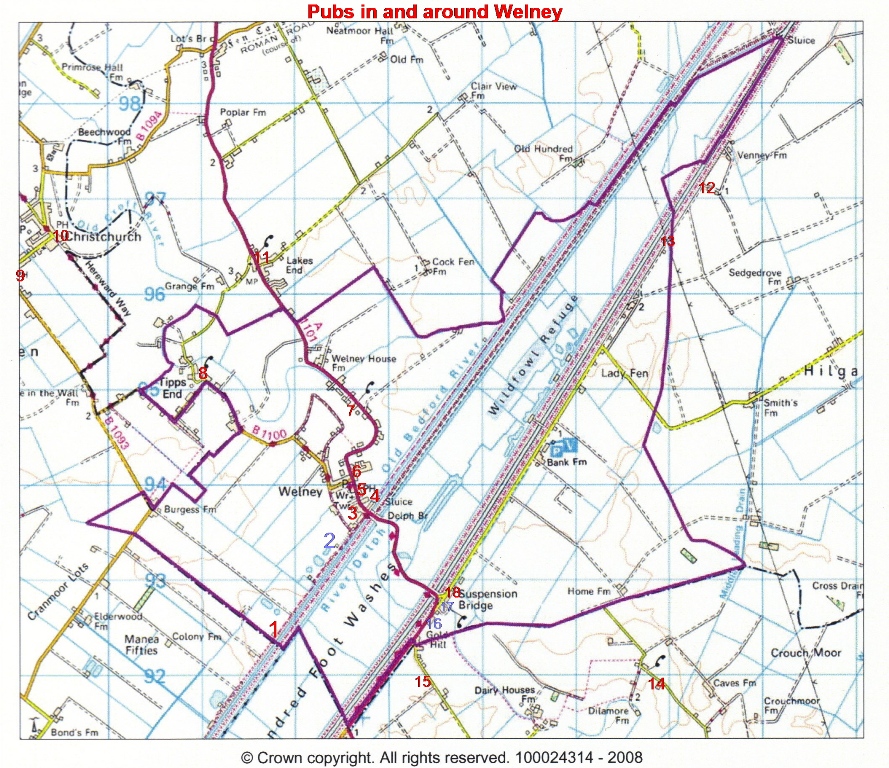 |
||||||||||||||||||||||||||||||||||||||||||||||||||||||||||||||||||||||||||||||||||||||||||||||||||||
Pubs in Welney parish
|
|
|||||||||||||||||||||||||||||||||||||||||||||||||||||||||||||||||||||||||||||||||||||||||||||||||||
|
|
nearby Pubs in other parishes
|
|
||||||||||||||||||||||||||||||||||||||||||||||||||||||||||||||||||||||||||||||||||||||||||||||||||
Carpenters, Suspension Bridge, Welney |
||||||||||||||||||||||||||||||||||||||||||||||||||||||||||||||||||||||||||||||||||||||||||||||||||||
Owner/Brewery
|
|
|||||||||||||||||||||||||||||||||||||||||||||||||||||||||||||||||||||||||||||||||||||||||||||||||||
|
|
Licencees
|
|
||||||||||||||||||||||||||||||||||||||||||||||||||||||||||||||||||||||||||||||||||||||||||||||||||
Cherry Tree, Main Street, Welney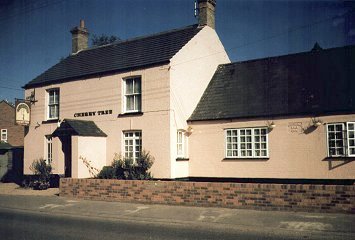 Photo: from Norfolk Pubs website Note: Main Street used to be known as High Road (eg on 1881 census) and sometimes as Wisbech Road (which Main Street leads into). Once the meeting place of the Oddfellows Lodge. It was here that Welney Parish Hall was planned in 1929. |
||||||||||||||||||||||||||||||||||||||||||||||||||||||||||||||||||||||||||||||||||||||||||||||||||||
Owner/Brewery
|
|
|||||||||||||||||||||||||||||||||||||||||||||||||||||||||||||||||||||||||||||||||||||||||||||||||||
|
|
Licencees
|
|
||||||||||||||||||||||||||||||||||||||||||||||||||||||||||||||||||||||||||||||||||||||||||||||||||
Cock, Suspension Bridge, WelneyThought to be what is now Kendrick Cottage |
||||||||||||||||||||||||||||||||||||||||||||||||||||||||||||||||||||||||||||||||||||||||||||||||||||
Owner/Brewery
|
|
|||||||||||||||||||||||||||||||||||||||||||||||||||||||||||||||||||||||||||||||||||||||||||||||||||
|
|
Licencees
|
|
||||||||||||||||||||||||||||||||||||||||||||||||||||||||||||||||||||||||||||||||||||||||||||||||||
Crown, Suspension Bridge, WelneyThis pub was one of 20 built and owned by the Bedford Level Corporation ("BLC"), the authority responsible for maintaining the drainage of the washes & fens of the Bedford Level. The BLC records of 1830 show that the pub was let (leased) every six years by public auction. According to Samuel Wells, the "Register" of the Corporation in 1830, their pubs were used to"house travellers and labourers employed in the vicinity; the latter particularly in times of flood, are there supplied with food and shelter, during their daily and nightly exertions in the protection of property." 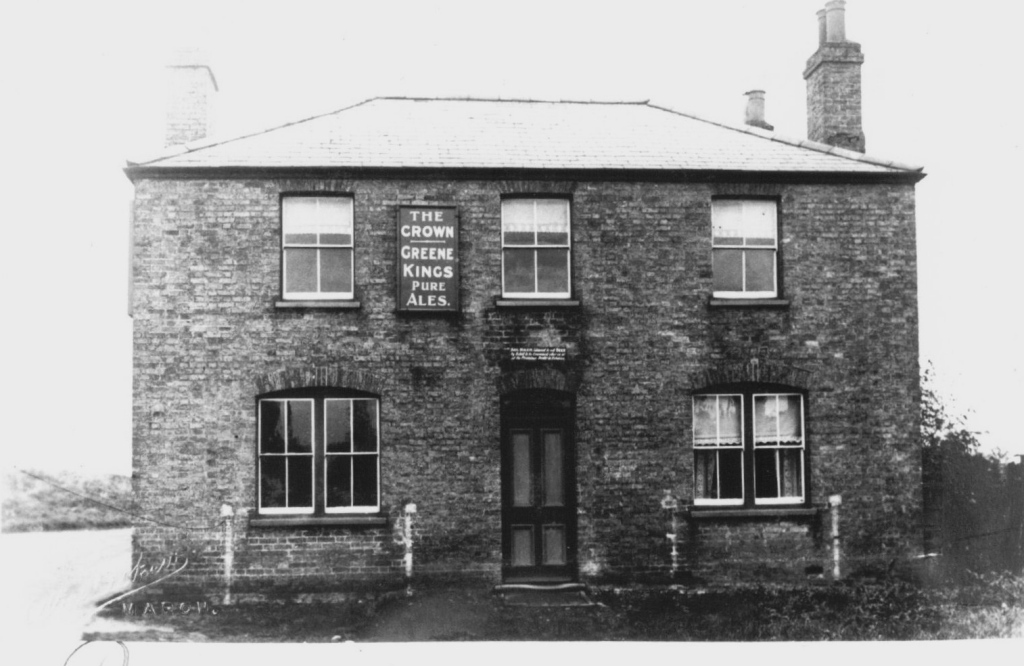 Photo: from a post card courtesy Tony Smart The sign above and the early records name the pub 'The Crown' but It was shown as "Crown Inn" on the OS map TL59 of 1920-26. This pub was where the toll-collectors of the nearby Suspension Bridge (the bridge built in 1826 across the New Bedford/Hundred Foot River) are said to have "rested", having paid a small boy to keep watch for them and warn them of approaching traffic. The late Ernie James, who among other occupations, operated a ferry service across the washes during floods, recalled in his 1986 book 'Memoirs of a Fen Tiger' rowing across from Welney to Supension Bridge with a load of bottles of beer for the Crown, and discovering later that some passengers sitting behind him had helped themselves en-route. The pub closed in 1968 and later became a private dwelling. At some stage it was renamed Crown House. 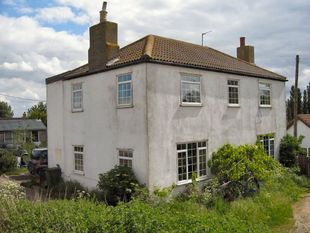
 |
||||||||||||||||||||||||||||||||||||||||||||||||||||||||||||||||||||||||||||||||||||||||||||||||||||
|
Above left,
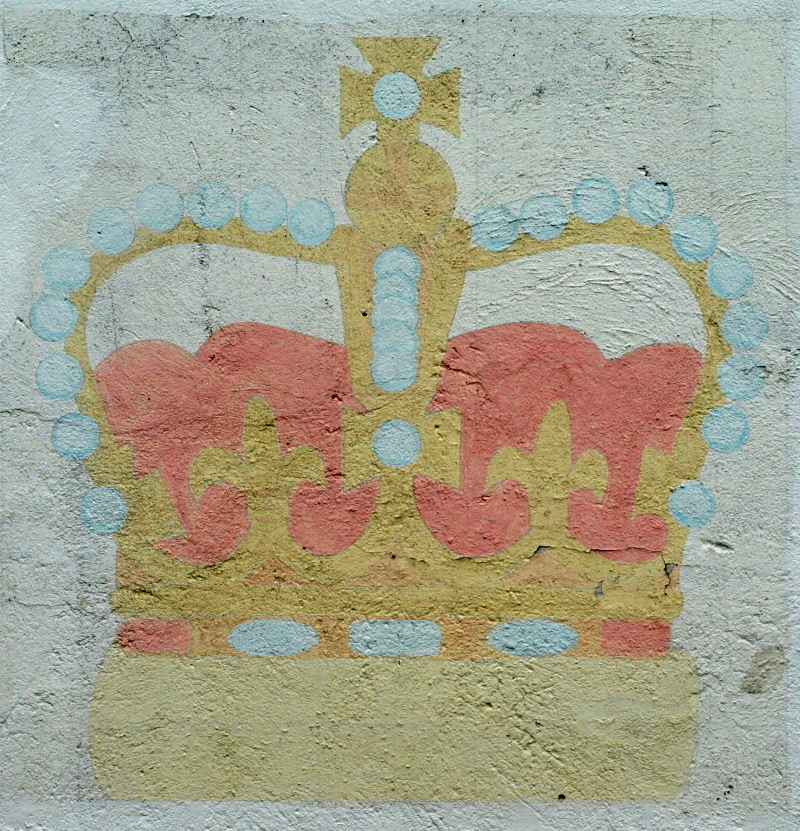
Crown House in 2008 from an estate agents photo. A faded wall painting is just visable to left of the bottom left window on side wall.
On right, the painting photographed and enhanced in 2010 by Peter Cox.
The crown seems to have there before the walls were
last painted - but who did it, and when? |
||||||||||||||||||||||||||||||||||||||||||||||||||||||||||||||||||||||||||||||||||||||||||||||||||||
Owner/Brewery
|
|
|||||||||||||||||||||||||||||||||||||||||||||||||||||||||||||||||||||||||||||||||||||||||||||||||||
|
|
Licencees
|
|
||||||||||||||||||||||||||||||||||||||||||||||||||||||||||||||||||||||||||||||||||||||||||||||||||
Dog and Duck, Hundred Foot Bank, HilgayShown on Bryant's 1826 map Shown on OS 6" 1880s map, as north of Dog & Duck Farm, almost halfway between Vennys Farm and Dog & Duck Farm. |
||||||||||||||||||||||||||||||||||||||||||||||||||||||||||||||||||||||||||||||||||||||||||||||||||||
Owner/Brewery
|
|
|||||||||||||||||||||||||||||||||||||||||||||||||||||||||||||||||||||||||||||||||||||||||||||||||||
|
|
Licencees
|
|
||||||||||||||||||||||||||||||||||||||||||||||||||||||||||||||||||||||||||||||||||||||||||||||||||
Dun Cow, Green Lane, Christchurch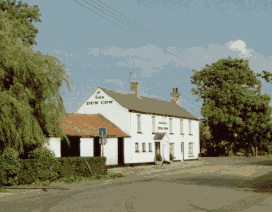 Photo: Christchurch Village Appraisal, 1999 As it was in about 1999. This pub is in the parish of Christchurch, but has close connection with parts of the parish of Welney. From the Christchurch Village Appraisal report of 1999: "Lying at the heart of Christchurch, The Dun Cow has acted as a focus for much of village life. First recorded in May 1776, the Dun Cow used to lie on the main road between Tip’s End and Welney. Previously known as the Surveyors Arms (presumably after the Surveyors of the Fens), the Tenants can be traced back continuously to 1871 (when the rent was £12 and the Pub was valued at £506) when the current owners (Elgoods) acquired the property." 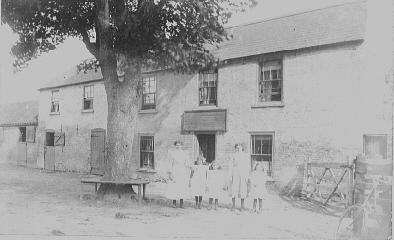 Photo: Christchurch Village Appraisal, 1999 |
||||||||||||||||||||||||||||||||||||||||||||||||||||||||||||||||||||||||||||||||||||||||||||||||||||
Owner/Brewery
|
|
|||||||||||||||||||||||||||||||||||||||||||||||||||||||||||||||||||||||||||||||||||||||||||||||||||
|
|
Licencees
|
|
||||||||||||||||||||||||||||||||||||||||||||||||||||||||||||||||||||||||||||||||||||||||||||||||||
Eagle Tavern, Bedford Bank West, Welney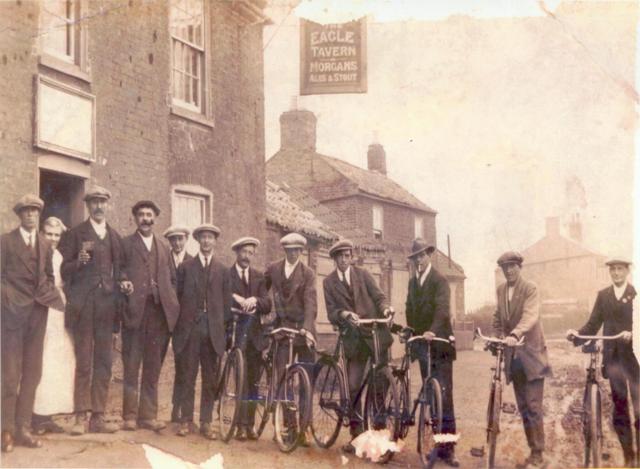 Said to be either 1909 or 1920. Left to right: Ernie Butcher, Mrs Butcher, Joe Butcher, Alf James, Hugh Carter, Albert Carter, Jack Bart, Herb Skeels, Cecil Gaught, Kelly Cage, Billy Lythell, George or Sid Carter The Pub sign clearly shows the brewery as Morgans (a Norwich brewer, taken over by Watney Mann in 1961) but that brewery is not shown on the Norfolk Pubs website. Note also that the building in the distance beyond the two men on the right is on the far side of main street. It is either the Three Tuns, or a house where the Parish Hall was built in 1929. Photo and names courtesy of Cyril Medcalf, Tipps End. |
||||||||||||||||||||||||||||||||||||||||||||||||||||||||||||||||||||||||||||||||||||||||||||||||||||
Owner/Brewery
|
|
|||||||||||||||||||||||||||||||||||||||||||||||||||||||||||||||||||||||||||||||||||||||||||||||||||
|
|
Licencees
|
|
||||||||||||||||||||||||||||||||||||||||||||||||||||||||||||||||||||||||||||||||||||||||||||||||||
Farmers Boy, Padgets Road, Christchurch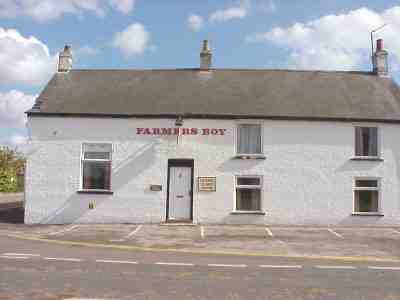 Photo: from 1999 Christchurch Village Appraisal As it was in about 1999, open as a free house. From the Christchurch Village Appraisal report of 1999: "The Farmer’s Boy has a long history, dating back over 200 years. Originally two buildings, the current Pub provides a full range of drinks, meals and entertainment. Situated on the junction of Church Road and the B1100 Welney Road on the edge of the village, it was sold in 1978 by the Norwich Brewery and is now free house owned by Mr & Mrs Saunders. |
||||||||||||||||||||||||||||||||||||||||||||||||||||||||||||||||||||||||||||||||||||||||||||||||||||
Owner/Brewery
|
|
|||||||||||||||||||||||||||||||||||||||||||||||||||||||||||||||||||||||||||||||||||||||||||||||||||
|
|
Licencees
|
|
||||||||||||||||||||||||||||||||||||||||||||||||||||||||||||||||||||||||||||||||||||||||||||||||||
Green Man |
||||||||||||||||||||||||||||||||||||||||||||||||||||||||||||||||||||||||||||||||||||||||||||||||||||
Owner/Brewery
|
|
|||||||||||||||||||||||||||||||||||||||||||||||||||||||||||||||||||||||||||||||||||||||||||||||||||
|
|
Licencees
|
|
||||||||||||||||||||||||||||||||||||||||||||||||||||||||||||||||||||||||||||||||||||||||||||||||||
Happy Home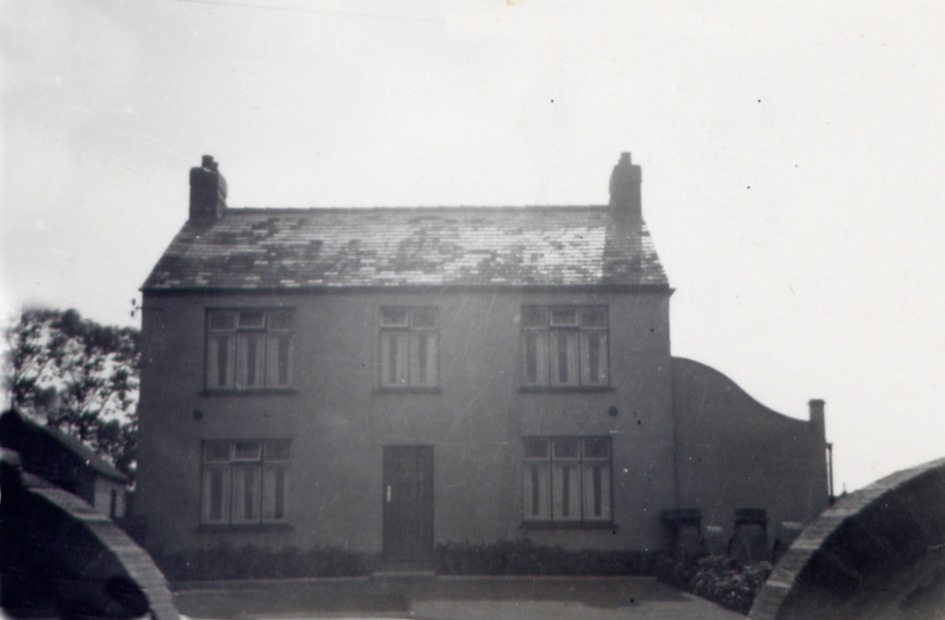 Photo: Courtesy Miss Amy Markham, MBE |
||||||||||||||||||||||||||||||||||||||||||||||||||||||||||||||||||||||||||||||||||||||||||||||||||||
Owner/Brewery
|
|
|||||||||||||||||||||||||||||||||||||||||||||||||||||||||||||||||||||||||||||||||||||||||||||||||||
|
|
Licencees
|
|
||||||||||||||||||||||||||||||||||||||||||||||||||||||||||||||||||||||||||||||||||||||||||||||||||
Lamb and Flag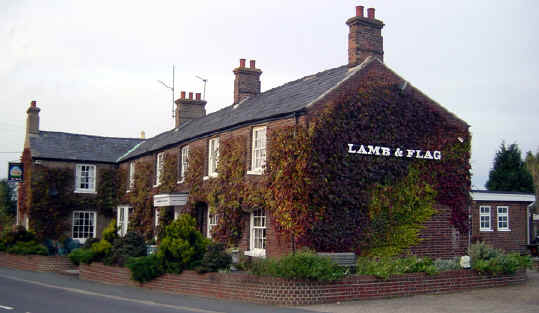 Photo: unknown |
||||||||||||||||||||||||||||||||||||||||||||||||||||||||||||||||||||||||||||||||||||||||||||||||||||
Owner/Brewery
|
|
|||||||||||||||||||||||||||||||||||||||||||||||||||||||||||||||||||||||||||||||||||||||||||||||||||
|
|
Licencees
|
|
||||||||||||||||||||||||||||||||||||||||||||||||||||||||||||||||||||||||||||||||||||||||||||||||||
Lord Nelson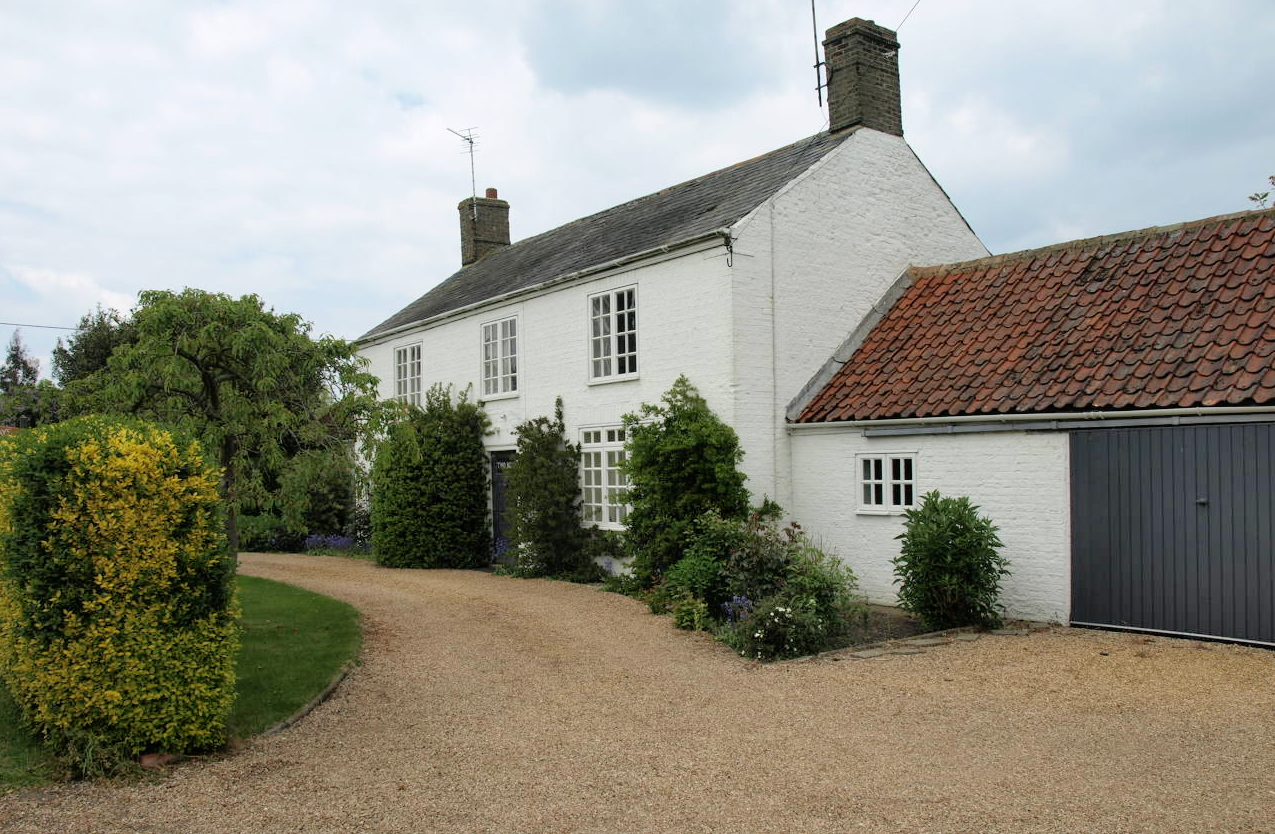 Photo: Peter Cox, 2010 The Lord Nelson Inn premises has been a private house named "Two Ways" since at least the late 1950s when John Biggs lived there, and probably earlier than that. This photo and the one below were taken in 2010 by Peter Cox by kind permission of the then owner Mrs June ? 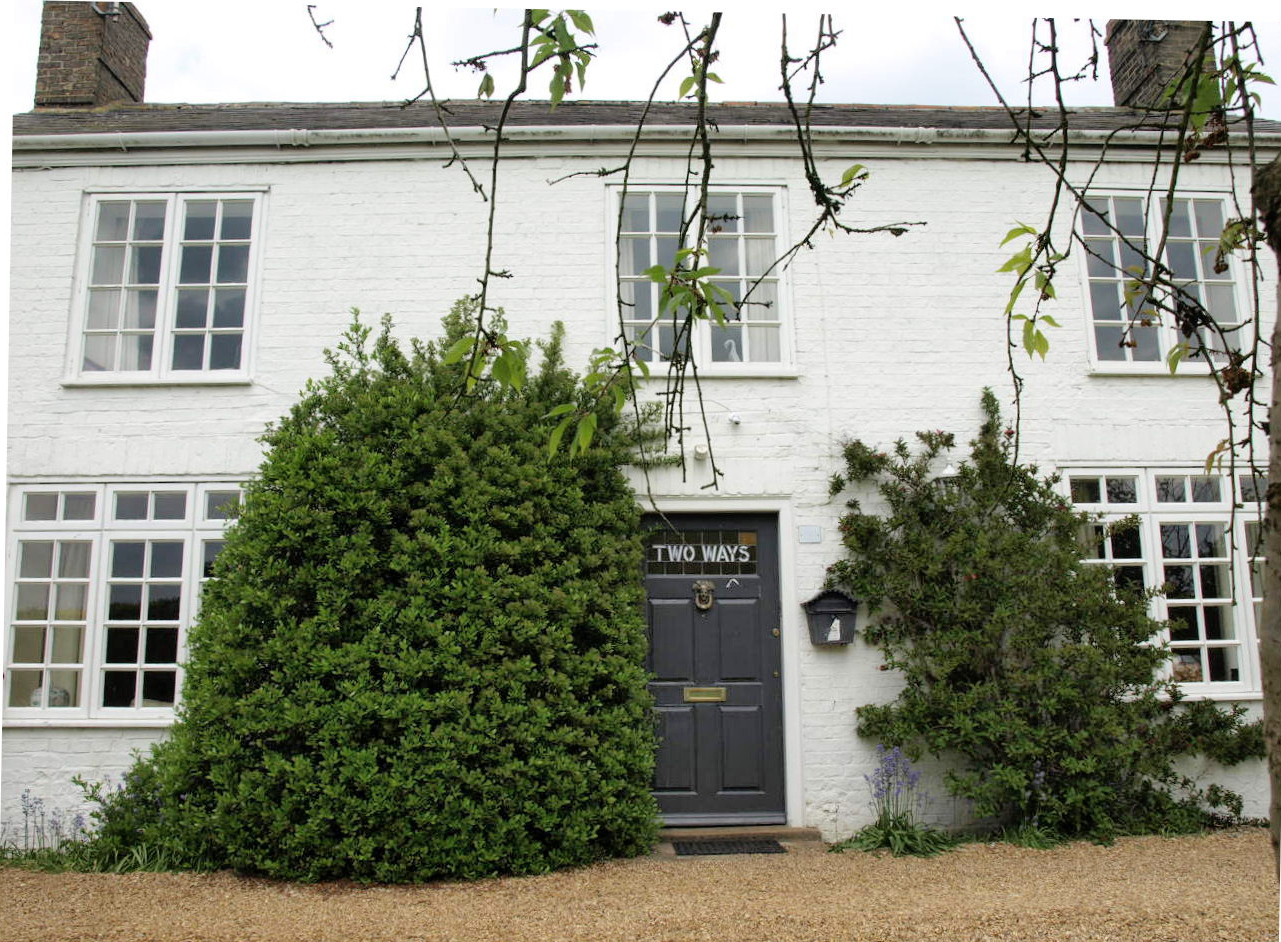 Photo: Peter Cox, 2010 |
||||||||||||||||||||||||||||||||||||||||||||||||||||||||||||||||||||||||||||||||||||||||||||||||||||
Owner/Brewery
|
|
|||||||||||||||||||||||||||||||||||||||||||||||||||||||||||||||||||||||||||||||||||||||||||||||||||
|
|
Licencees
|
|
||||||||||||||||||||||||||||||||||||||||||||||||||||||||||||||||||||||||||||||||||||||||||||||||||
Rutland Arms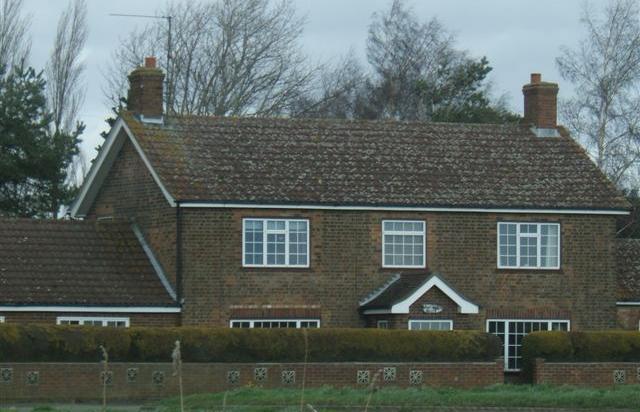 Photo: Peter Cox, Oct 2006 |
||||||||||||||||||||||||||||||||||||||||||||||||||||||||||||||||||||||||||||||||||||||||||||||||||||
Owner/Brewery
|
|
|||||||||||||||||||||||||||||||||||||||||||||||||||||||||||||||||||||||||||||||||||||||||||||||||||
|
|
Licencees
|
|
||||||||||||||||||||||||||||||||||||||||||||||||||||||||||||||||||||||||||||||||||||||||||||||||||
Ship Inn (Old Ship)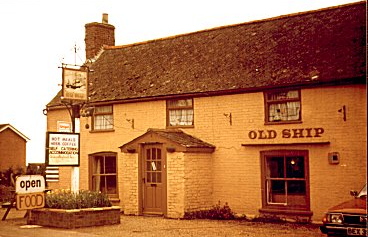 Photo: Norfolk Pubs website 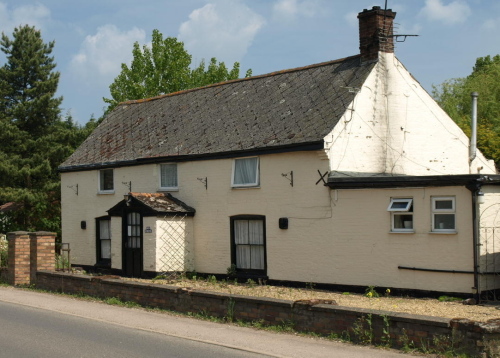 Photo: Peter Cox, 2010 |
||||||||||||||||||||||||||||||||||||||||||||||||||||||||||||||||||||||||||||||||||||||||||||||||||||
Owner/Brewery
|
|
|||||||||||||||||||||||||||||||||||||||||||||||||||||||||||||||||||||||||||||||||||||||||||||||||||
|
|
Licencees
|
|
||||||||||||||||||||||||||||||||||||||||||||||||||||||||||||||||||||||||||||||||||||||||||||||||||
Welney Hotel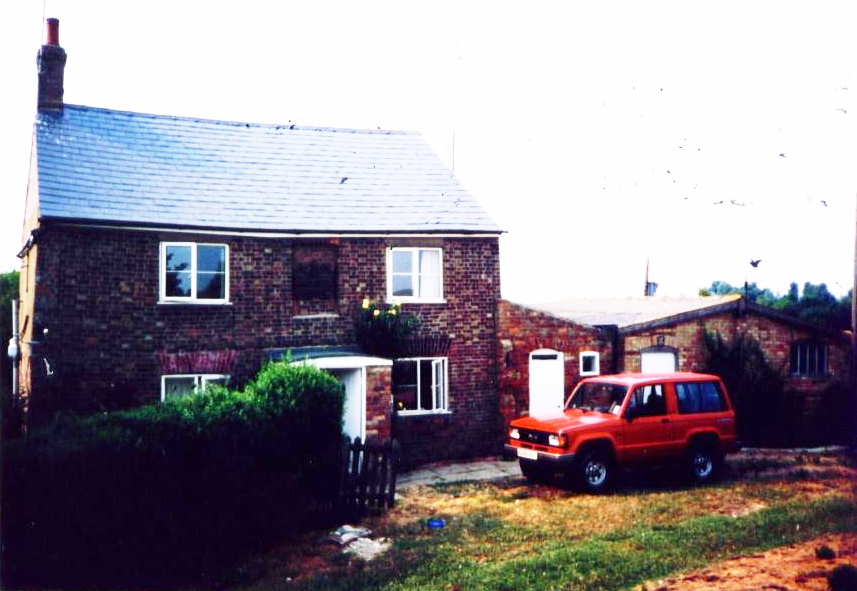 Photo: a 1995 view by Tony Smart |
||||||||||||||||||||||||||||||||||||||||||||||||||||||||||||||||||||||||||||||||||||||||||||||||||||
Owner/Brewery
|
|
|||||||||||||||||||||||||||||||||||||||||||||||||||||||||||||||||||||||||||||||||||||||||||||||||||
|
|
Licencees
|
|
||||||||||||||||||||||||||||||||||||||||||||||||||||||||||||||||||||||||||||||||||||||||||||||||||
Wry Necked Mill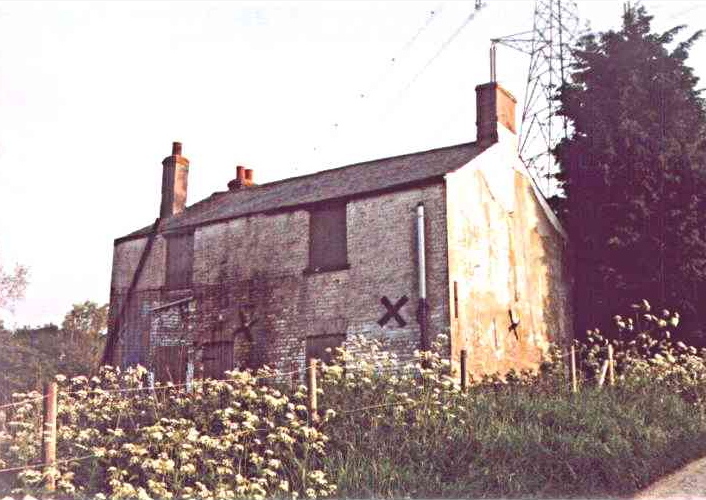 Photo: Welney Website Archives |
||||||||||||||||||||||||||||||||||||||||||||||||||||||||||||||||||||||||||||||||||||||||||||||||||||
Owner/Brewery
|
|
|||||||||||||||||||||||||||||||||||||||||||||||||||||||||||||||||||||||||||||||||||||||||||||||||||
|
|
Licencees
|
|
||||||||||||||||||||||||||||||||||||||||||||||||||||||||||||||||||||||||||||||||||||||||||||||||||
|
Acknowledgements:
see right
|
Acknowledgements:Picture top right is by Philip Murphy from "Tales of the Old Country Farmers" a lovely book by Tom Quinn published by David & Charles.Map is from the Welney Parish Action Plan © Crown copwright, 100024314 - 2008 with pub locations added by the webmaster. Brewery and licencee details from the brilliant Norfolk Pubs Website run by Richard Bristow; also from extensive research by Tony Smart; and from 'Downham Market and Around...' an excelent book by Chistopher Shaw, published 2009, available from Dent's Butchers in Hilgay, which has a good section on Welney including and its old pubs. Text, design and layout: Peter Cox, © 2010-15 Welney Website |
|||||||||||||||||||||||||||||||||||||||||||||||||||||||||||||||||||||||||||||||||||||||||||||||||||
| back to top of page | comments? please e-mail | |||||||||||||||||||||||||||||||||||||||||||||||||||||||||||||||||||||||||||||||||||||||||||||||||||